
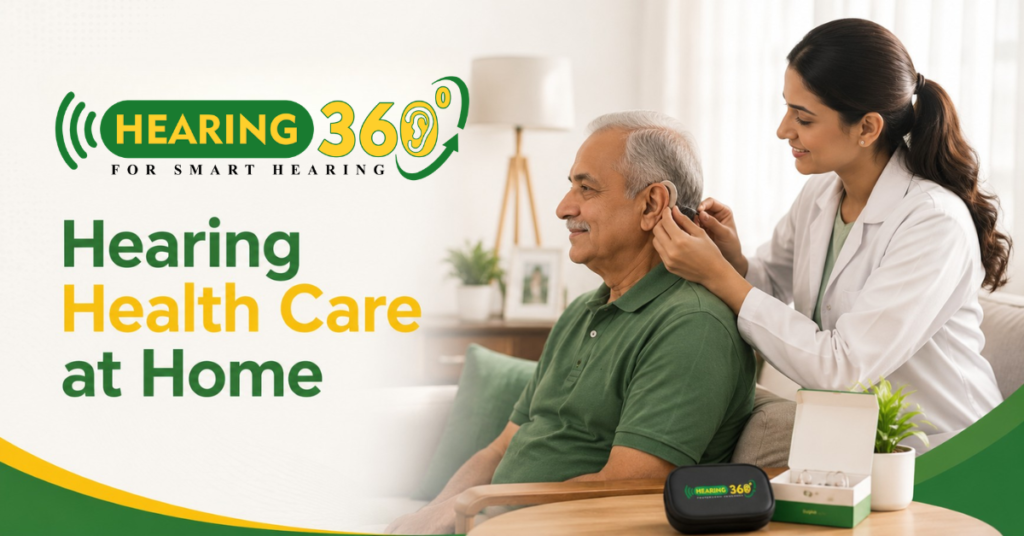
Getting your elderly father to a hearing appointment shouldn’t feel like planning a small expedition. Yet for many Kolkata families, that’s exactly what a hearing health care clinic visit turns into: traffic, waiting rooms, and a tired parent by the time you’re even seated.
There’s a simpler way now, and it starts right at your doorstep.
Across the city, families are rethinking what hearing care should look like.
Instead of treating home visits as just a delivery service for hearing aids, audiologists are now bringing the entire journey home, from the first hearing test to years of follow-up support.
This shift matters more than it might seem. Hearing loss often goes unaddressed for years simply because getting to repeated appointments feels like too much effort.
When care comes home instead, that barrier disappears, and families finally get around to addressing something they’d been putting off.
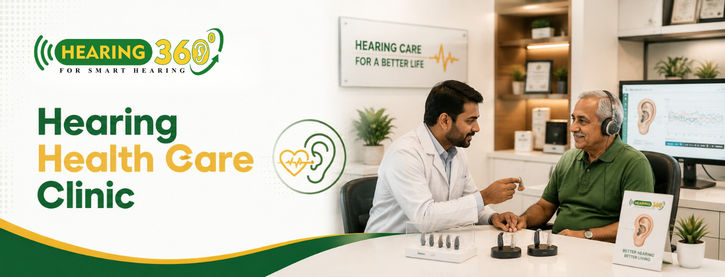
Why More Kolkata Families Are Bringing Hearing Care Home
Home-based audiology isn’t a trend. It’s a response to a real gap in how aging parents and mobility-limited individuals access care.
Clinic Visits Can Be Difficult for Seniors and People With Limited Mobility
Repeated trips to a clinic add up fast. Traffic, parking, waiting rooms, and none of it is easy for someone with limited mobility or fading energy.
Elderly family members often need more than one visit: an assessment, a fitting, a follow-up. Each trip becomes a logistical challenge for the whole family, not just the patient.
Doorstep care removes that burden entirely.
No rescheduling around traffic. No waiting rooms. Just care that comes when it’s needed.
Home Visits Can Make Hearing Care More Comfortable
Testing at home puts people at ease. There’s no unfamiliar clinical setting, no rushed appointment slots, just a quiet, familiar room and enough time to talk things through.
Family members can sit for the consultation as well. This is important because they often notice the hearing difficulties before anyone else: the mumbled words at dinner, the TV volume being muddy, and the phone calls being misheard.
The daily context is most important. Audiologists testing your hearing in clinic don’t get to see how you struggle in everyday life — during phone calls, at dinner tables, and at gatherings.
Home testing shows the real pictures that shape the right recommendations.
Audiologists: What Do They Do At Home Visits
A home visit is a simpler version of clinical care. This usually offers:
- A discussion of suitable hearing-aid options
- Initial hearing evaluation
- One-on-one consultation with an audiologist
- Assistance on hearing concerns
- Clear follow-up recommendations
The evaluations can be done at home. But it depends on the type of tools they carry and the requirements of each case.
Some advanced diagnostics still need a clinic setting, and a good audiologist will tell you that upfront.
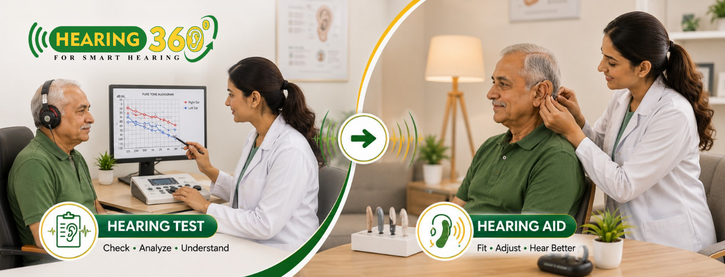
From Hearing Test to Hearing Aid: What a Hearing Health Care Clinic Can Offer at Home
A hearing health care clinic visit at home isn’t just one appointment. It’s a full pathway, built around how the person actually lives.
Step 1: Consulting an Audiologist for a Hearing Evaluation
It begins with knowing a person’s real concerns rather than just a random test. Audiologists assess the hearing levels and identify if more clinical testing is required.
The results are explained in simple terms without any technical jargon. This is why relying only on online hearing tests can limit the evaluation. A trained audiologist can catch minor abnormalities that the apps cannot.
Step 2: Choosing a Hearing Aid Around Real-Life Needs
Not every hearing aid suits every person. Choosing one depends on:
- Degree of hearing loss
- Daily lifestyle and communication needs
- Format — behind-the-ear, receiver-in-canal, in-the-ear
- Features like rechargeable batteries, wireless connectivity, and noise management
Someone who spends most of their day on phone calls needs different features than someone who mostly watches TV or talks in small family settings.
A good audiologist takes the time to understand these patterns instead of recommending the same device to everyone.
It also helps to know what to expect before committing. A proper consultation should walk through cost ranges, warranty terms, trial periods, and what after-sales support actually looks like details that matter as much as the device itself.
Step 3: Trial for Hearing Aid
Purchasing the hearing aid is just one step. But it needs the right fitting, as even the best devices cannot perform well without it.
Audiologists check the comfort level and sound quality during the trial. They further adjust programming depending on actual feedback.
This back-and-forth is what makes the device actually work for daily life, not just in theory.
A rushed fitting is one of the most common reasons people give up on hearing aids within the first few months.
Taking the time to get it right at the start saves frustration later, and it’s exactly why this step deserves as much attention as choosing the device itself.
Step 4: Follow-Up, Maintenance and Adjustments at Home
Hearing aids need fine-tuning after the person starts wearing them regularly. Home visits cover:
- Fine-tuning based on real-world use
- Cleaning and maintenance guidance
- Troubleshooting and programming support
- Battery and accessory assistance
Some situations still call for an in-clinic visit, particularly when specialised equipment or deeper diagnostics are needed. A reliable home care provider will always be upfront about that.
Who Benefits Most From At-Home Hearing Care in Kolkata?
Home-based care isn’t for everyone, but for several groups, it makes a real difference. Understanding who benefits most helps families decide whether home care fits their situation.
Senior Citizens Who Find Regular Travel Difficult
Elderly users and the families looking after aging parents benefit the most. Repeated travel for check-ups becomes one less thing to manage.
People With Mobility or Accessibility Challenges
For anyone who can’t easily reach a clinic, doorstep audiology services make consistent hearing care possible instead of something that keeps getting postponed.
Families Looking for Ongoing Hearing Aid Support
Hearing aid fitting, adjustment, regular maintenance, and troubleshooting don’t need to turn into a clinic trip every time. Follow-up care at home keeps things simple without sacrificing quality.
When Should You Choose Home Care vs an Audiology Clinic?
Home care works well for convenience, follow-ups, and most standard assessments. A clinic visit still makes sense when advanced diagnostic testing or specialised evaluation is required.
Think of home service as a complement to professional audiology, not a replacement for every type of clinical examination.
The two work best together, not as competing options.
Hearing care shouldn’t be something families keep postponing because of logistics. When a hearing health care clinic can come to you with proper assessments, real follow-up, and honest guidance on when a clinic visit is still needed, hearing health stops being a hassle and becomes part of everyday care.
Get convenient hearing assessments, audiology support, hearing-aid fitting, and ongoing care at home with Hearing Aids Kolkata. Our audiologists bring the full care journey to your home so your family gets expert support without the stress of repeated clinic visits.
FAQs
- What does a home hearing health care clinic visit usually include?
It typically covers a hearing assessment, an audiologist consultation, guidance on suitable hearing aids, and follow-up recommendations — the exact tests depend on the equipment and clinical needs.
- Is a home hearing test as accurate as a clinic test?
For most standard assessments, yes. Some advanced diagnostics still require clinic equipment, and a good audiologist will let you know when that’s the case.
- Can hearing aids be fitted and programmed at home?
Yes. Fitting, programming and adjustments based on real-world feedback can all be done during home visits, with follow-up sessions as needed.
- Who benefits most from at-home hearing care?
Senior citizens, people with mobility challenges, and families managing hearing care for elderly parents benefit the most from doorstep audiology services.
[…] good hearing health care clinic keeps its audiometer calibrated and tested in a quiet or sound-treated […]